Loading…
Loading…
 FIBC dispatch in 2 weeks

FIBCs are flexible containers for storing, transporting, and handling bulk materials, with different designs for varied industrial requirements.
OVERVIEW
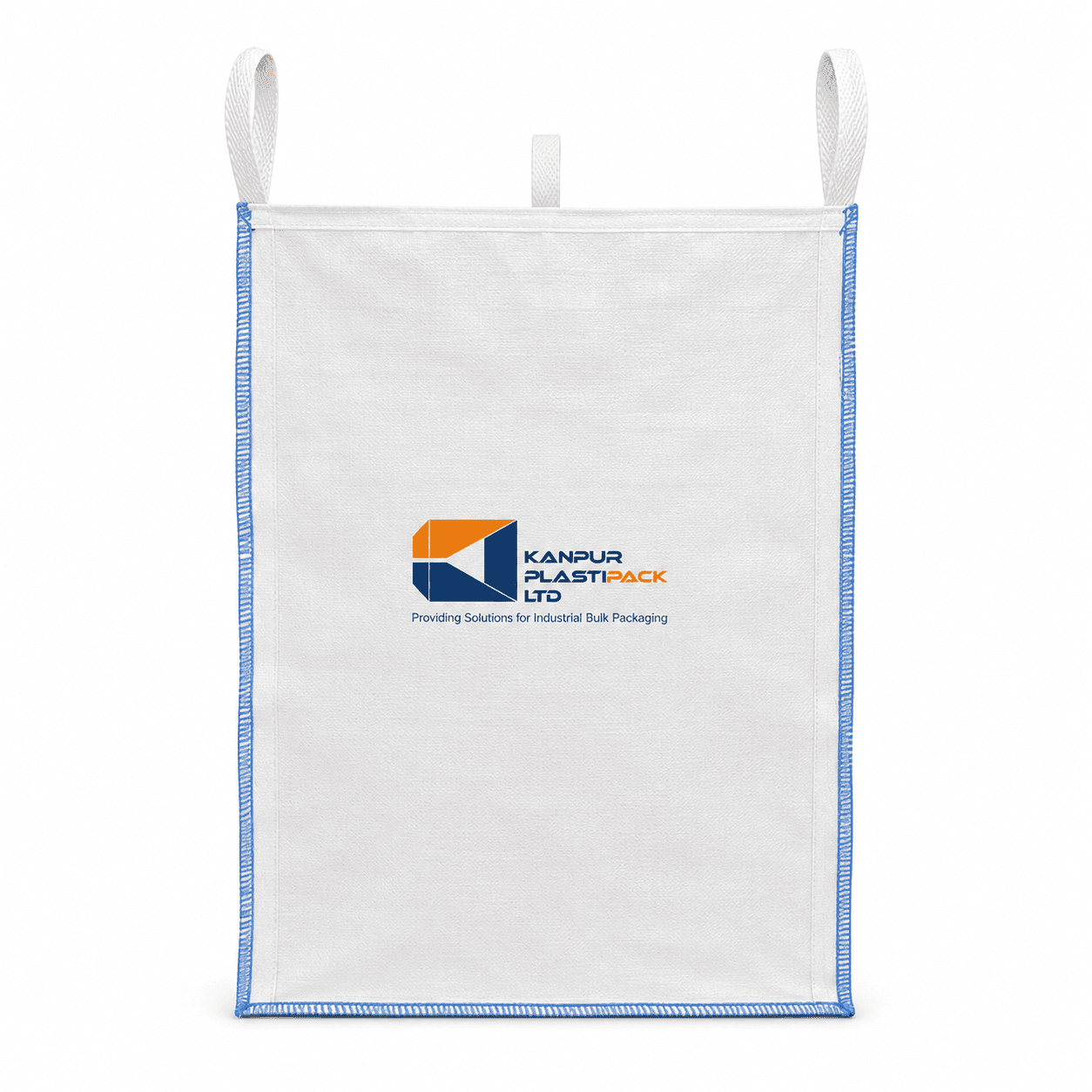
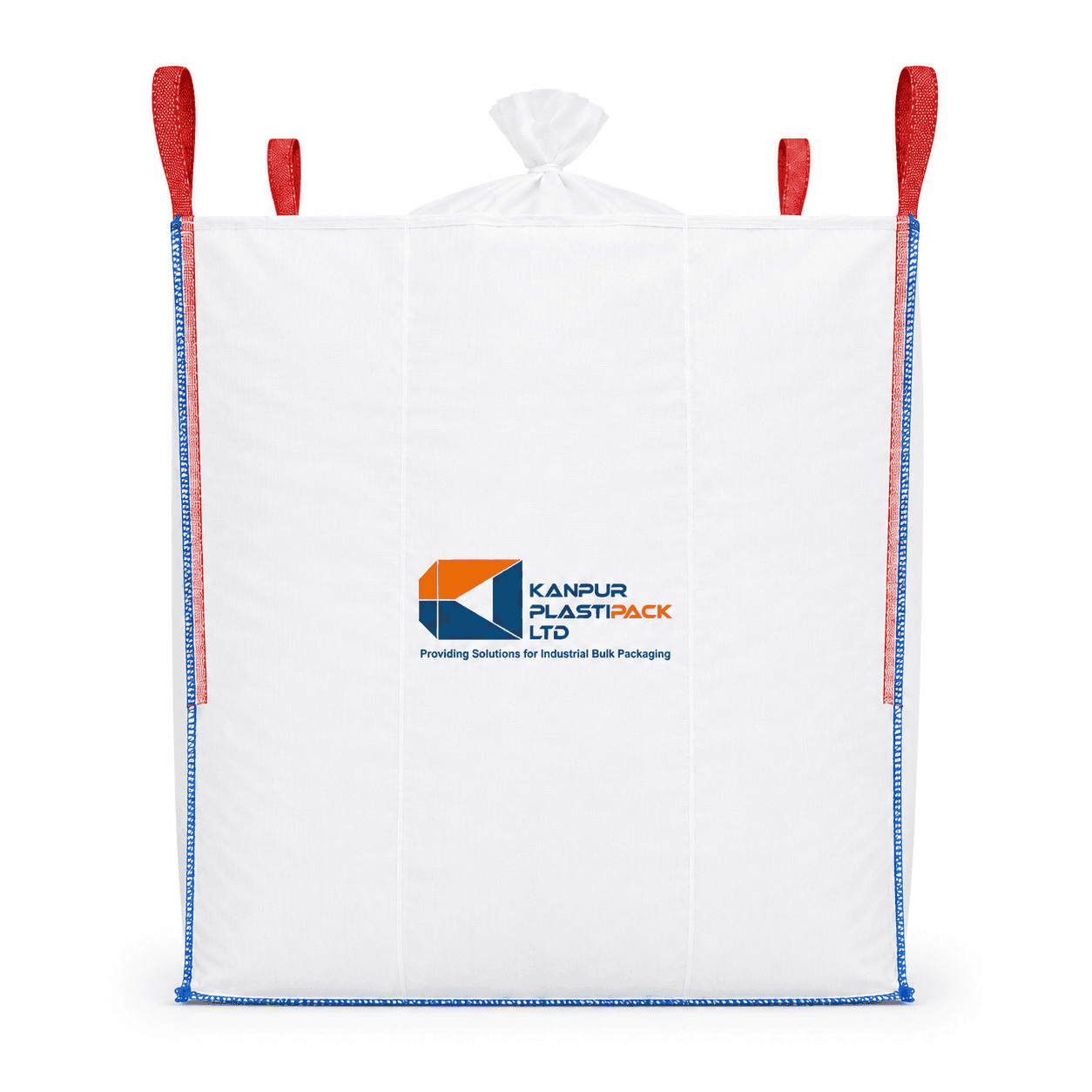
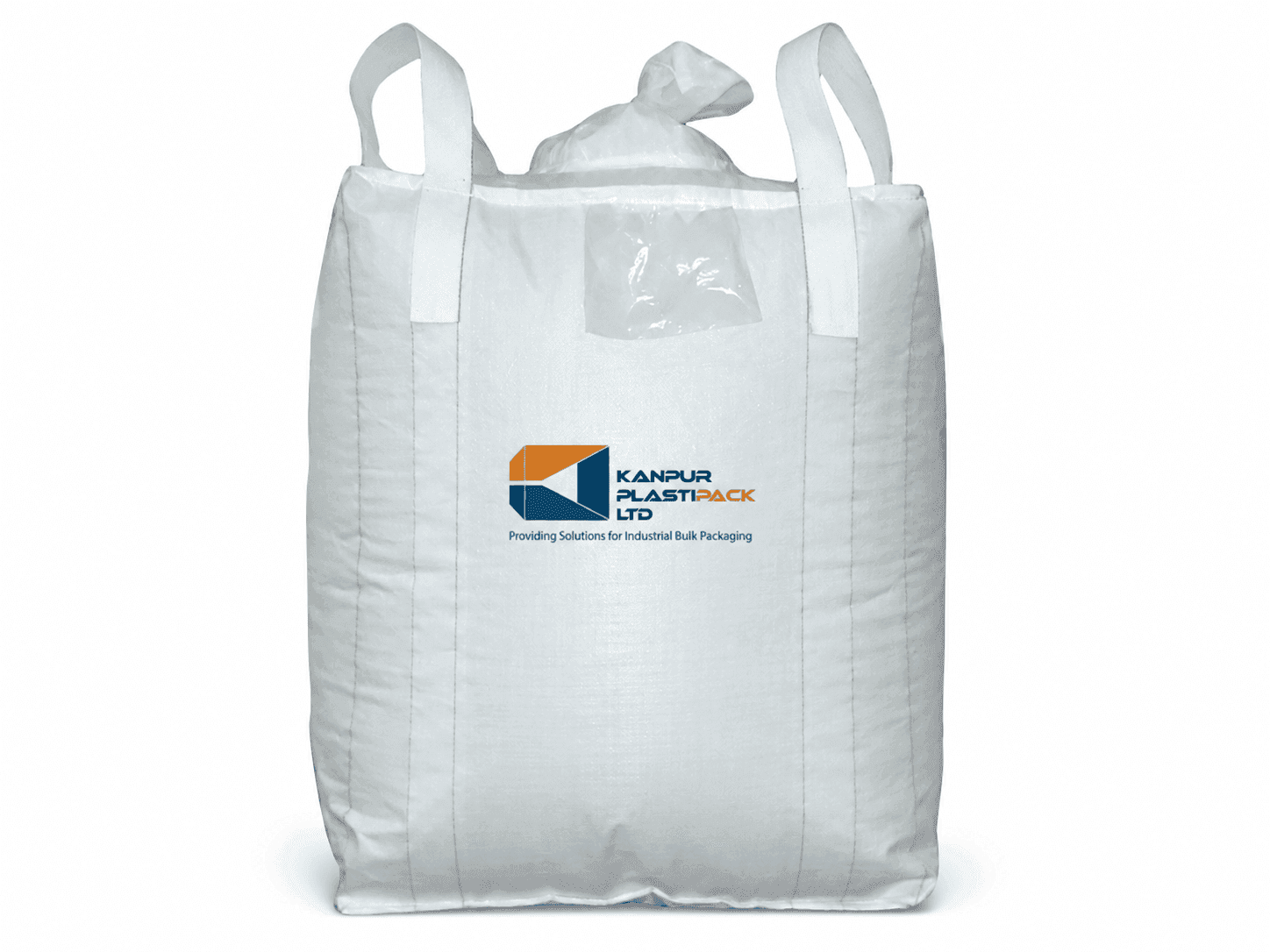
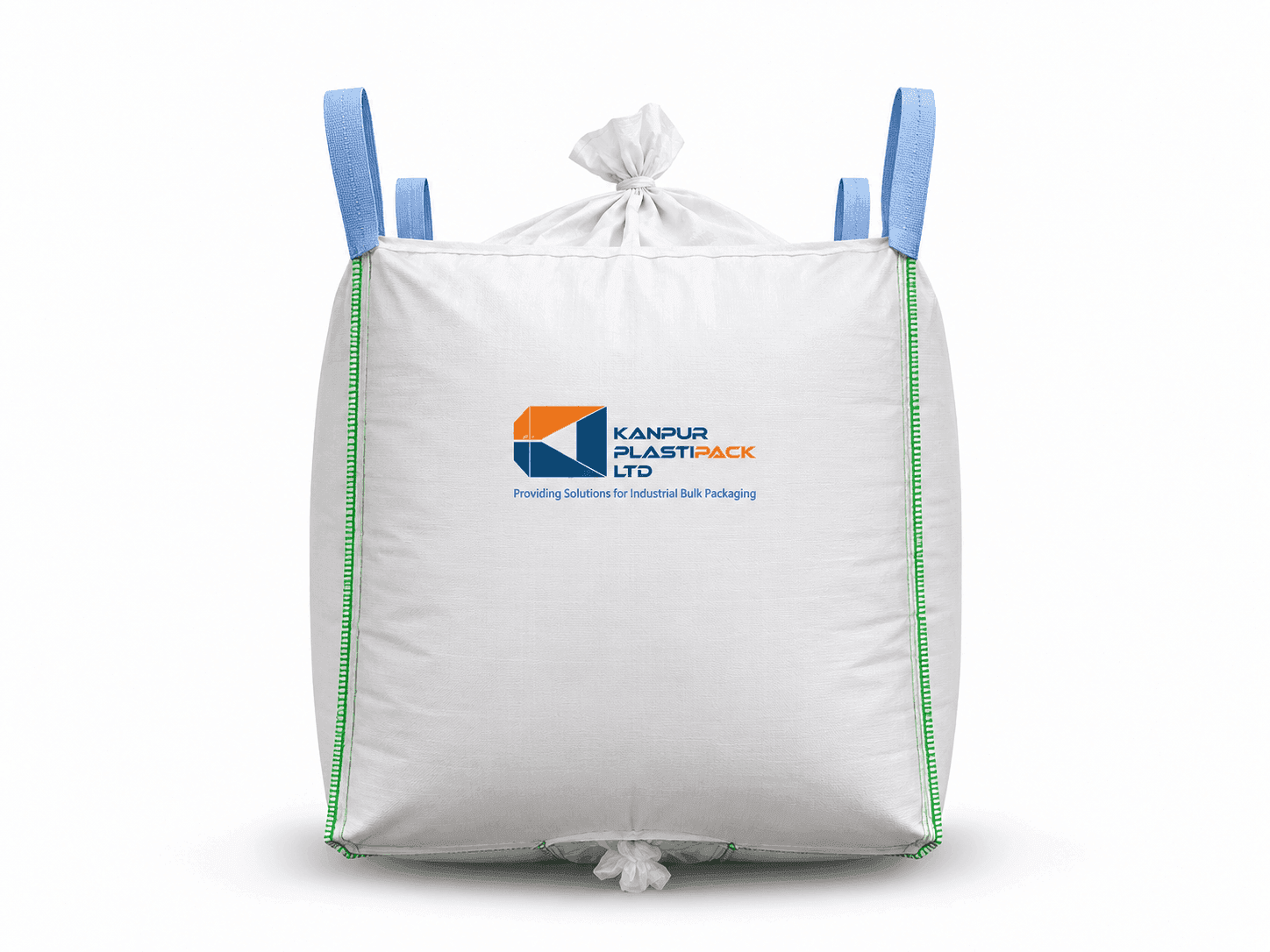
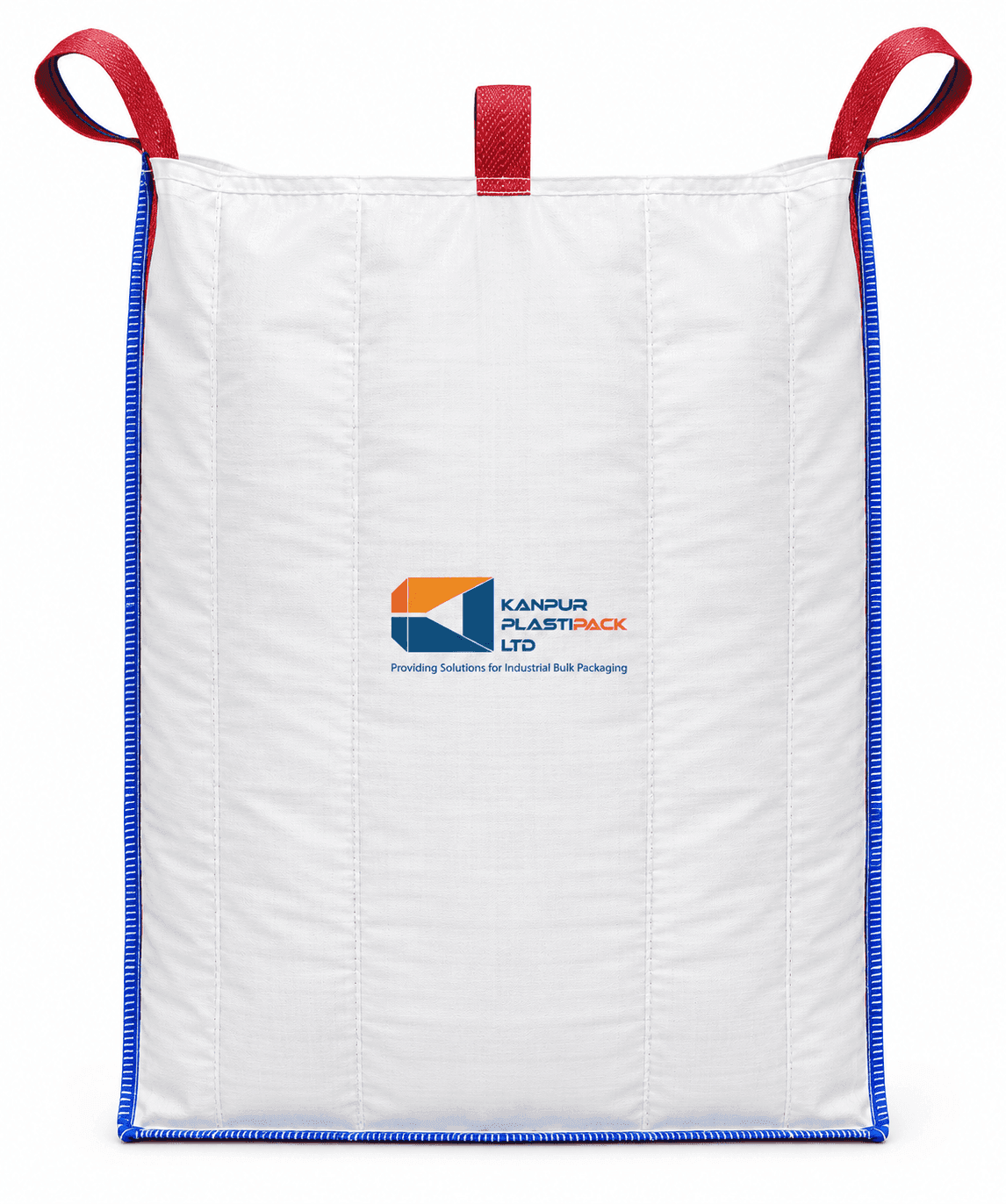
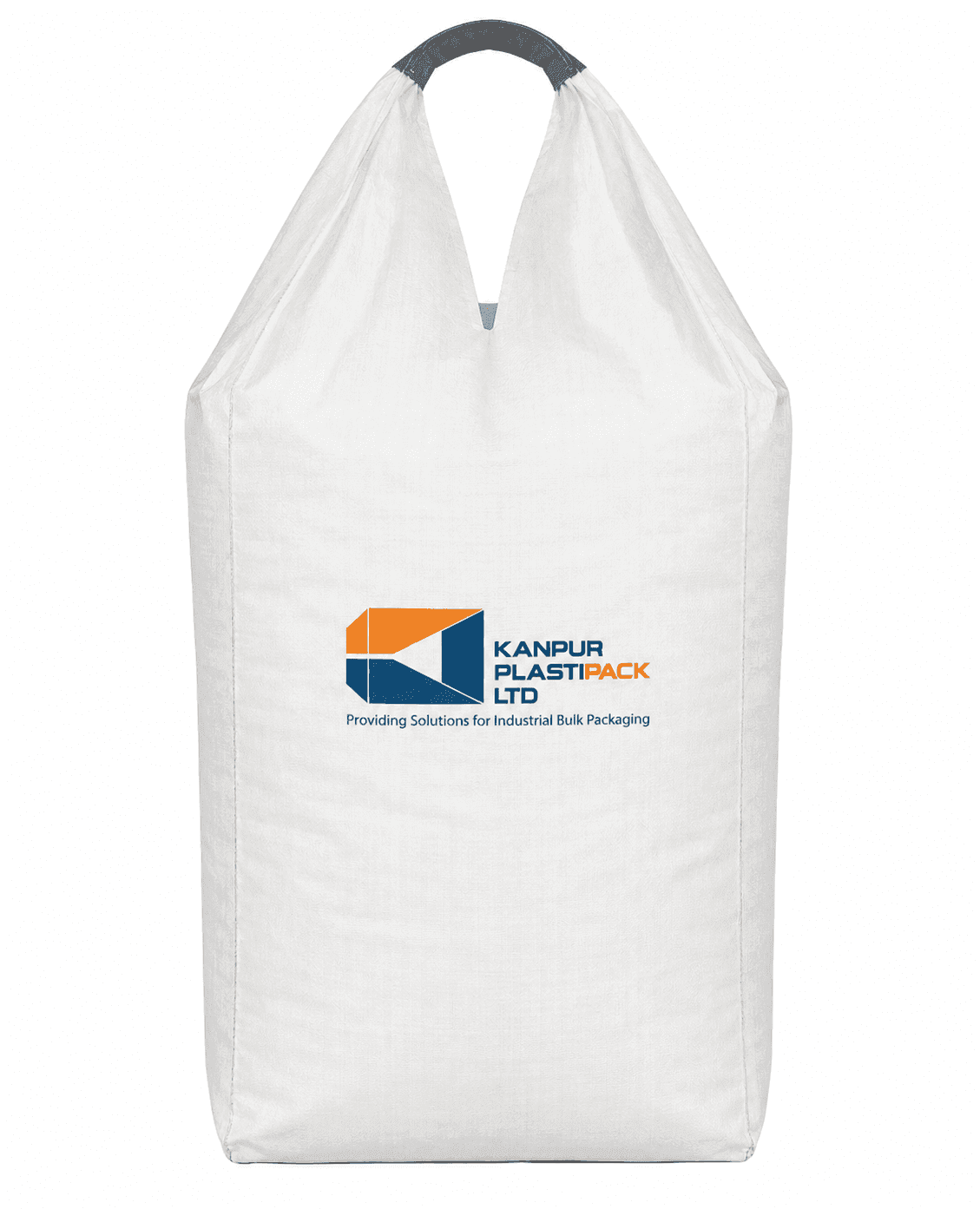
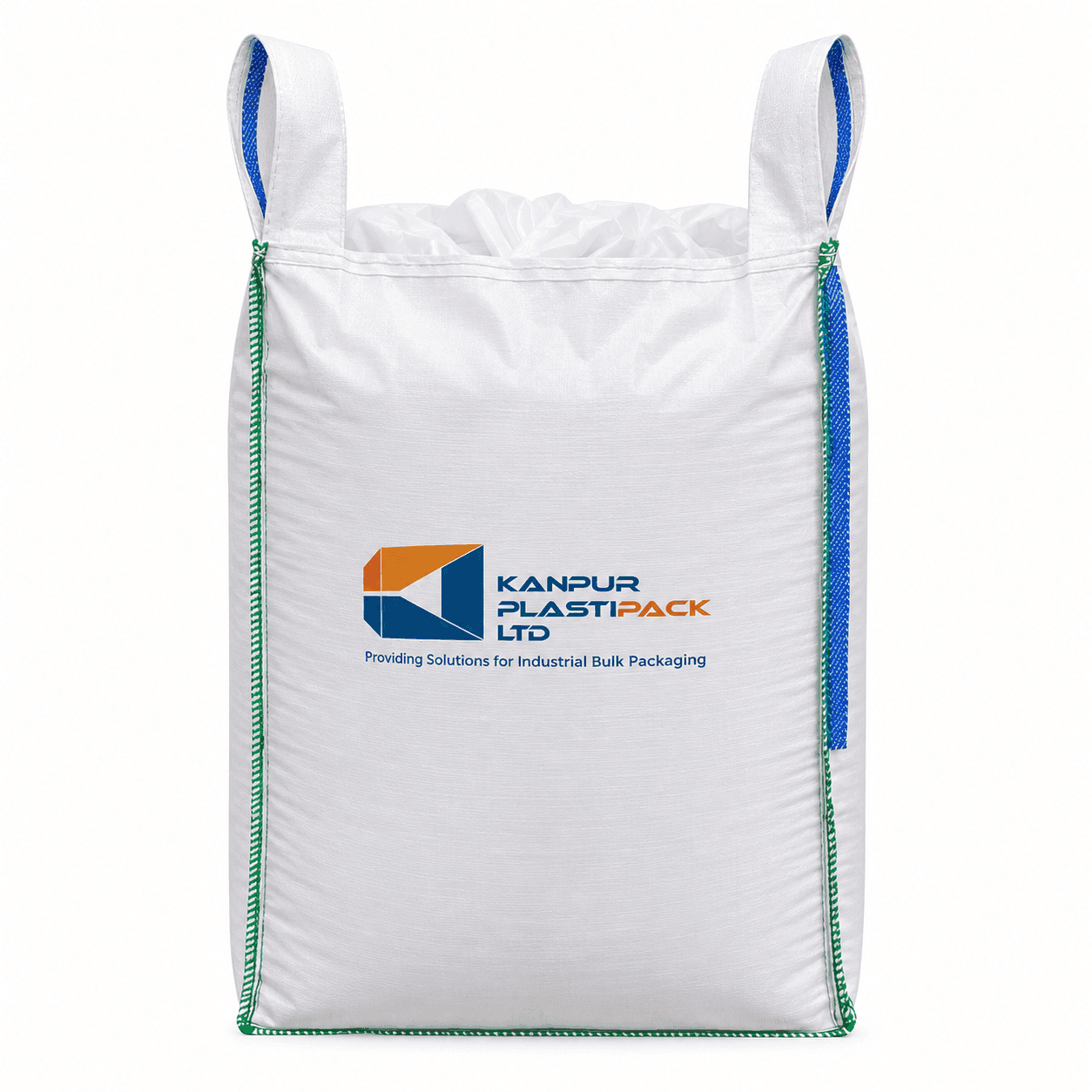
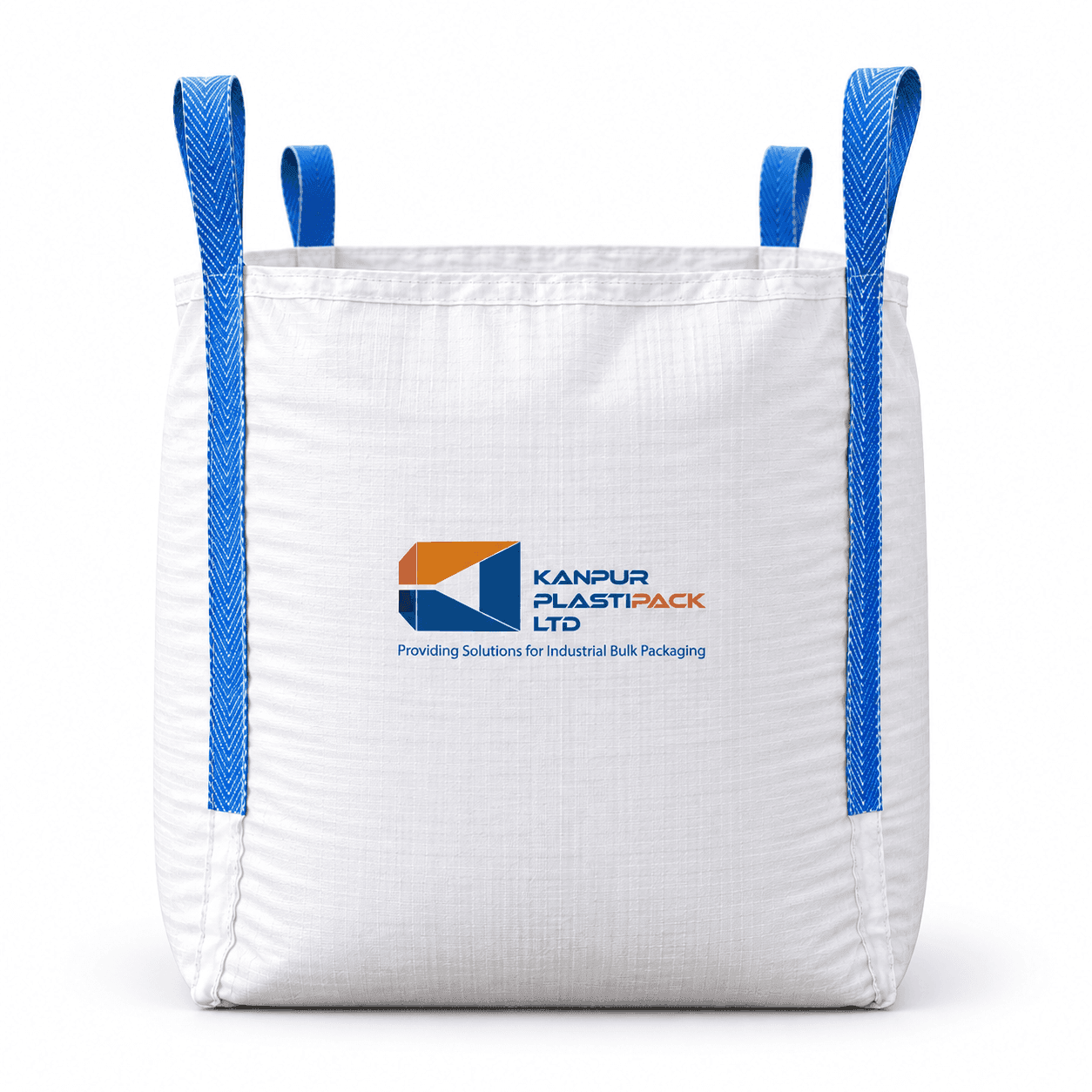
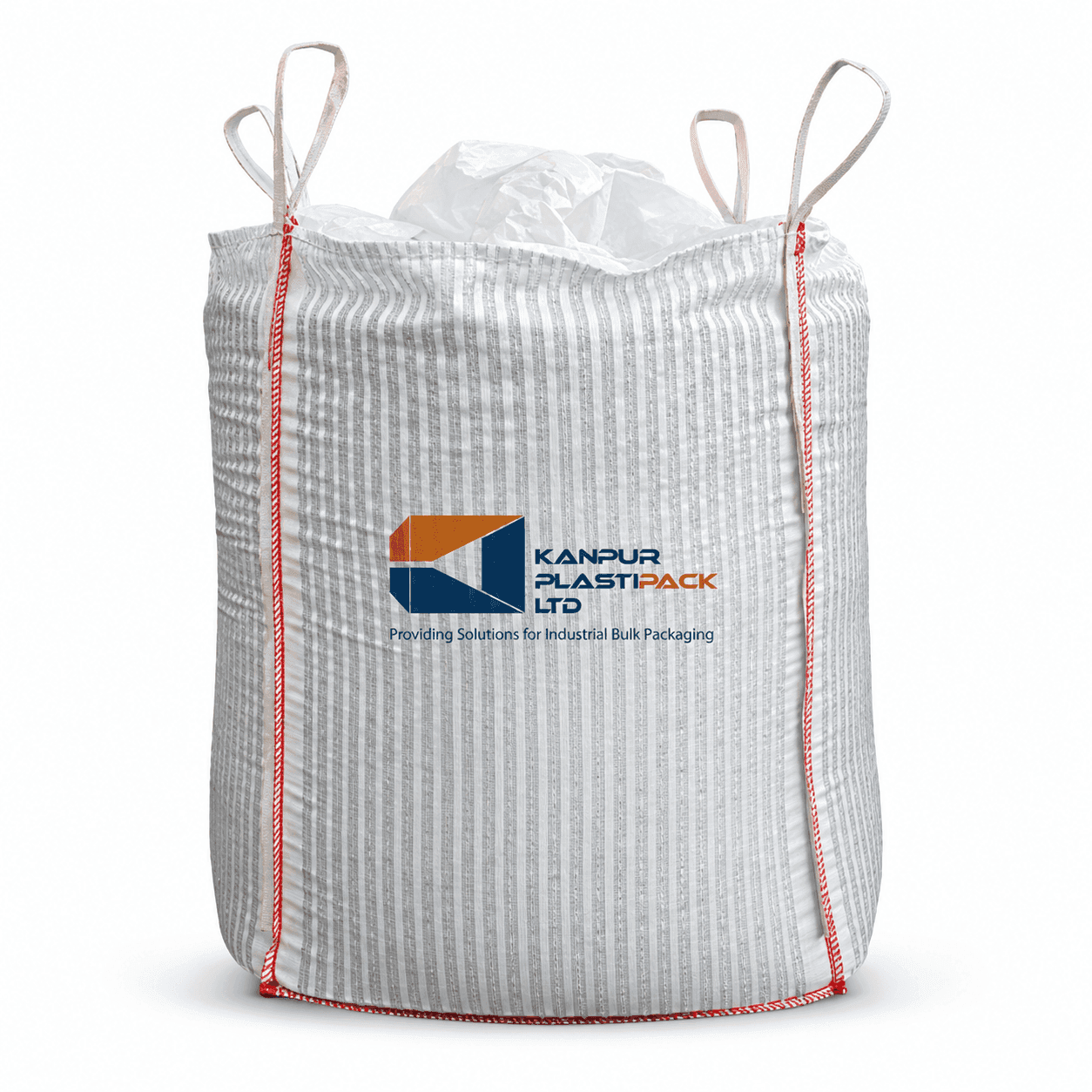
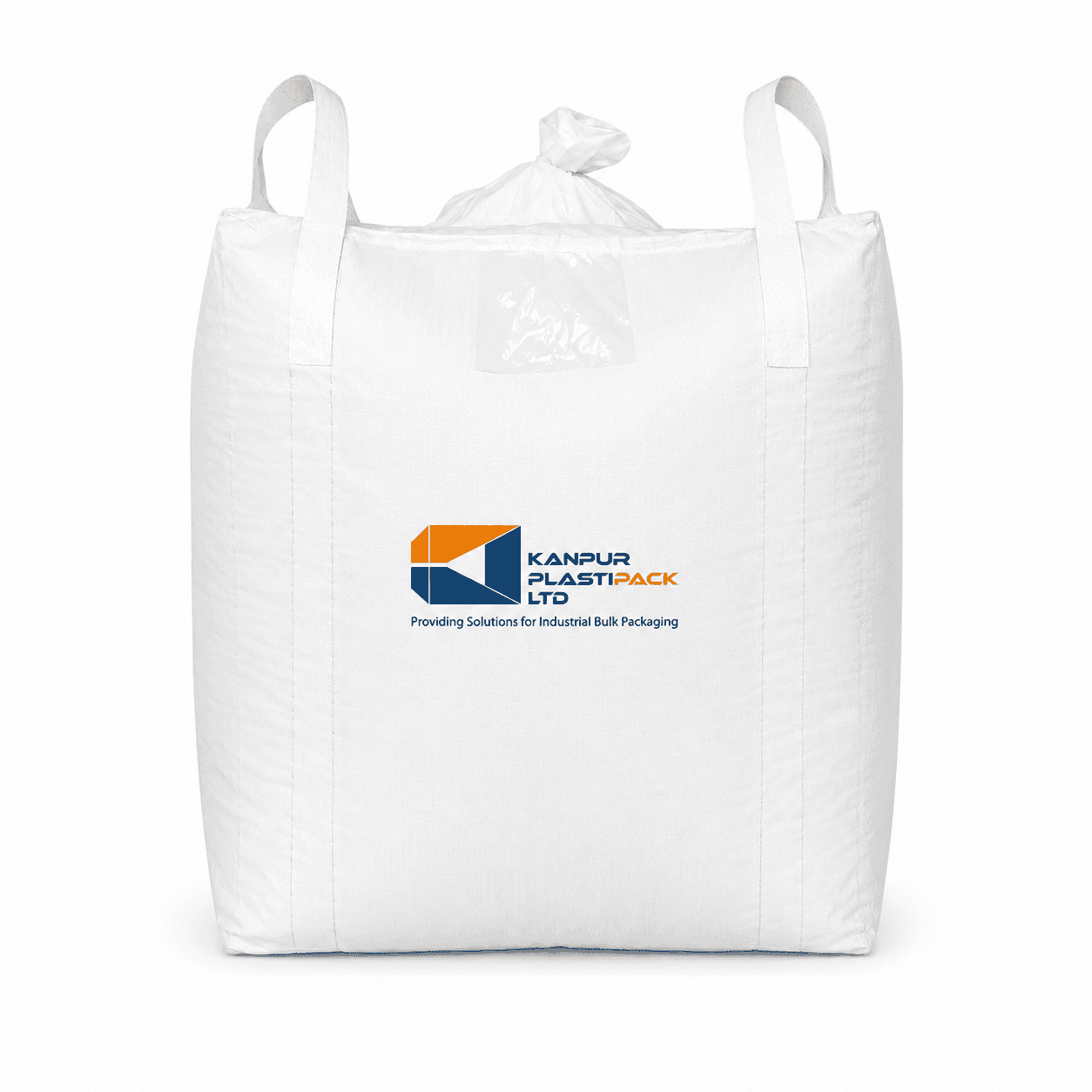
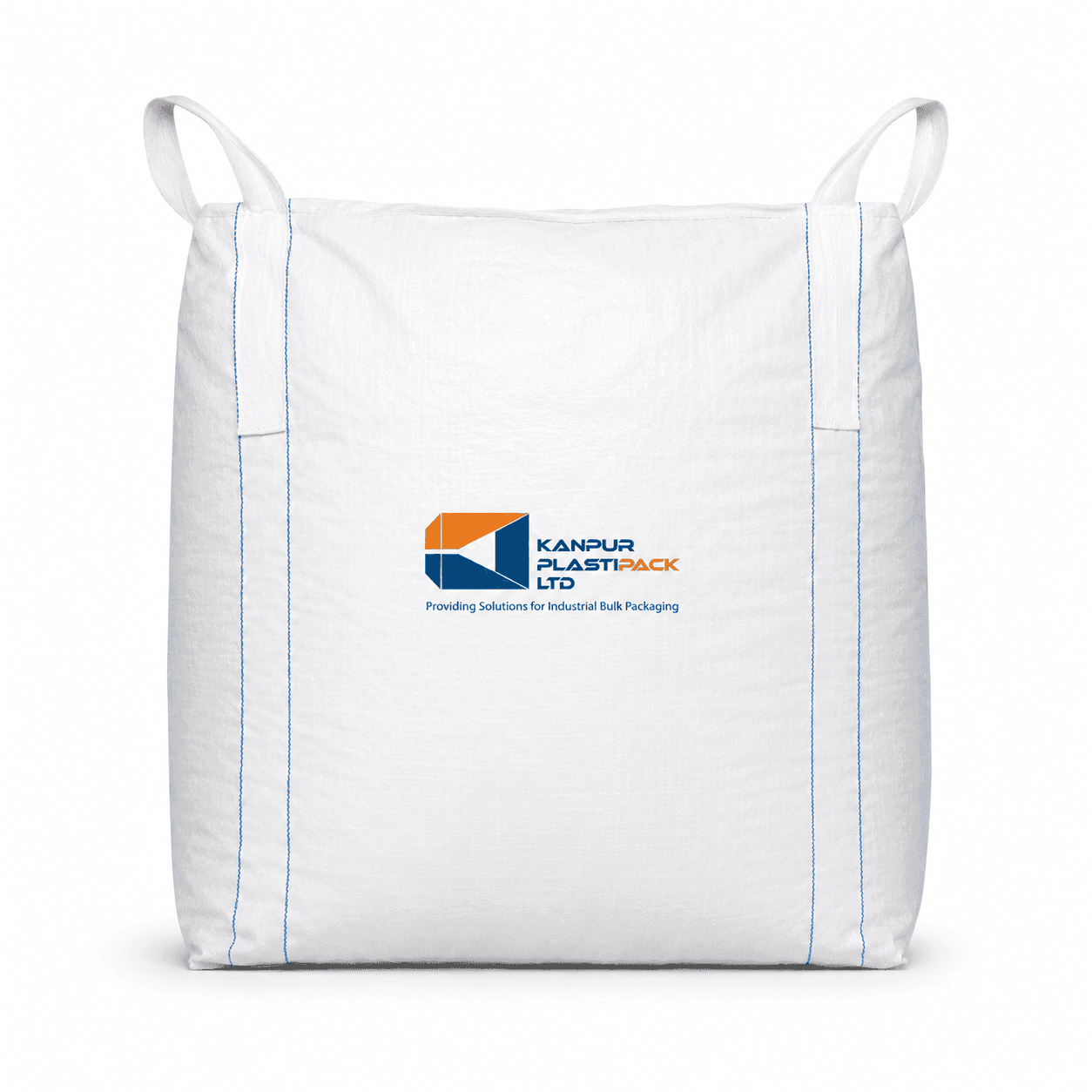
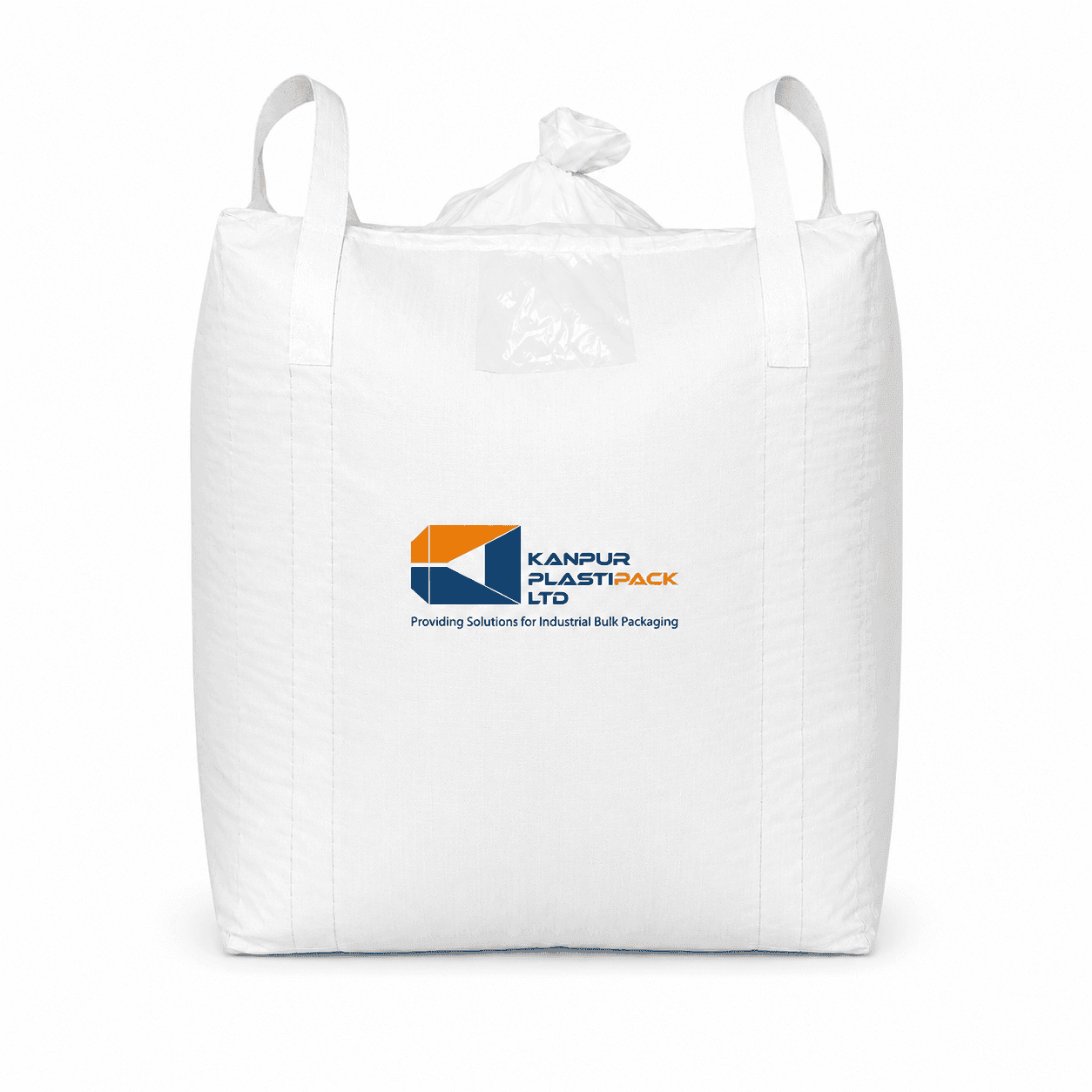
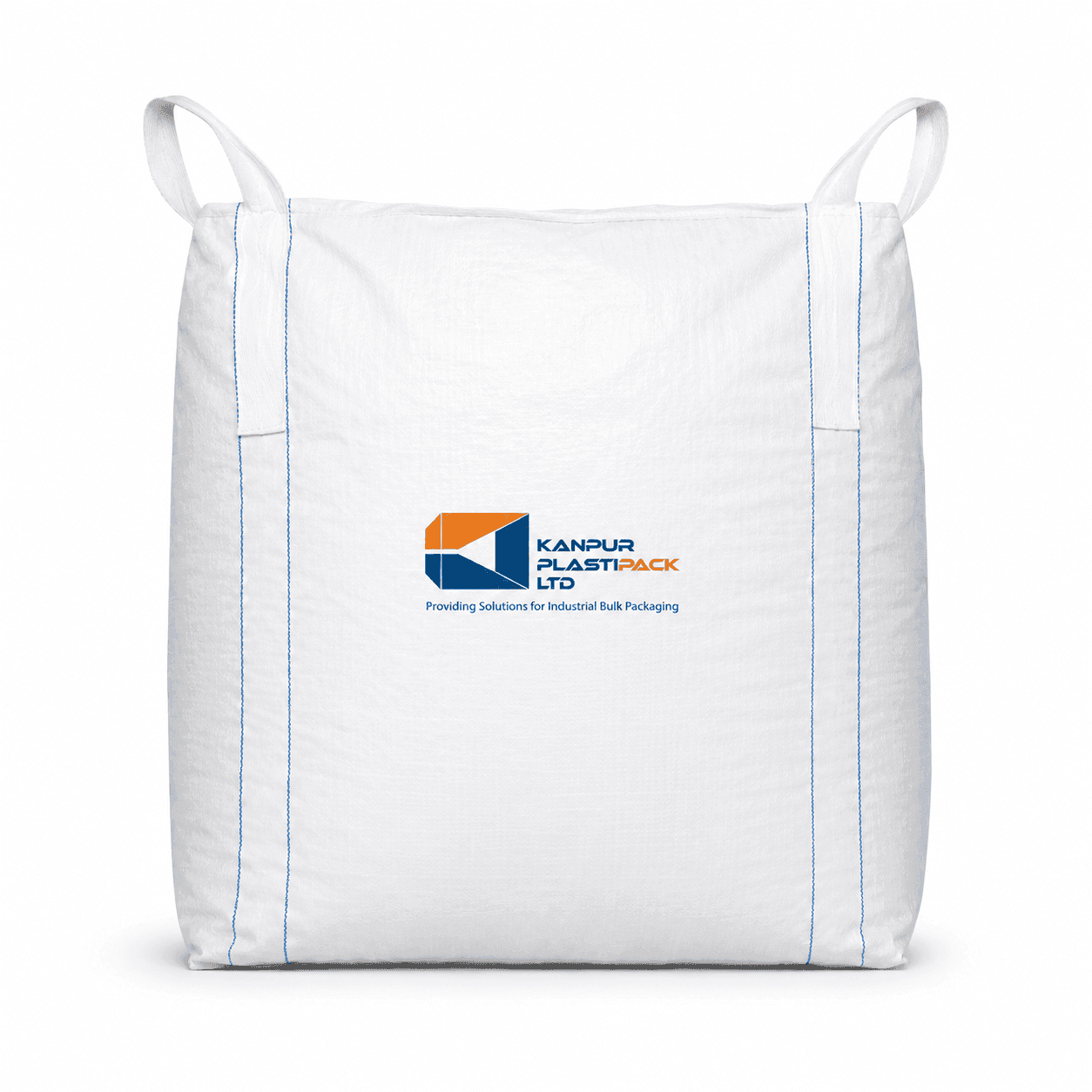
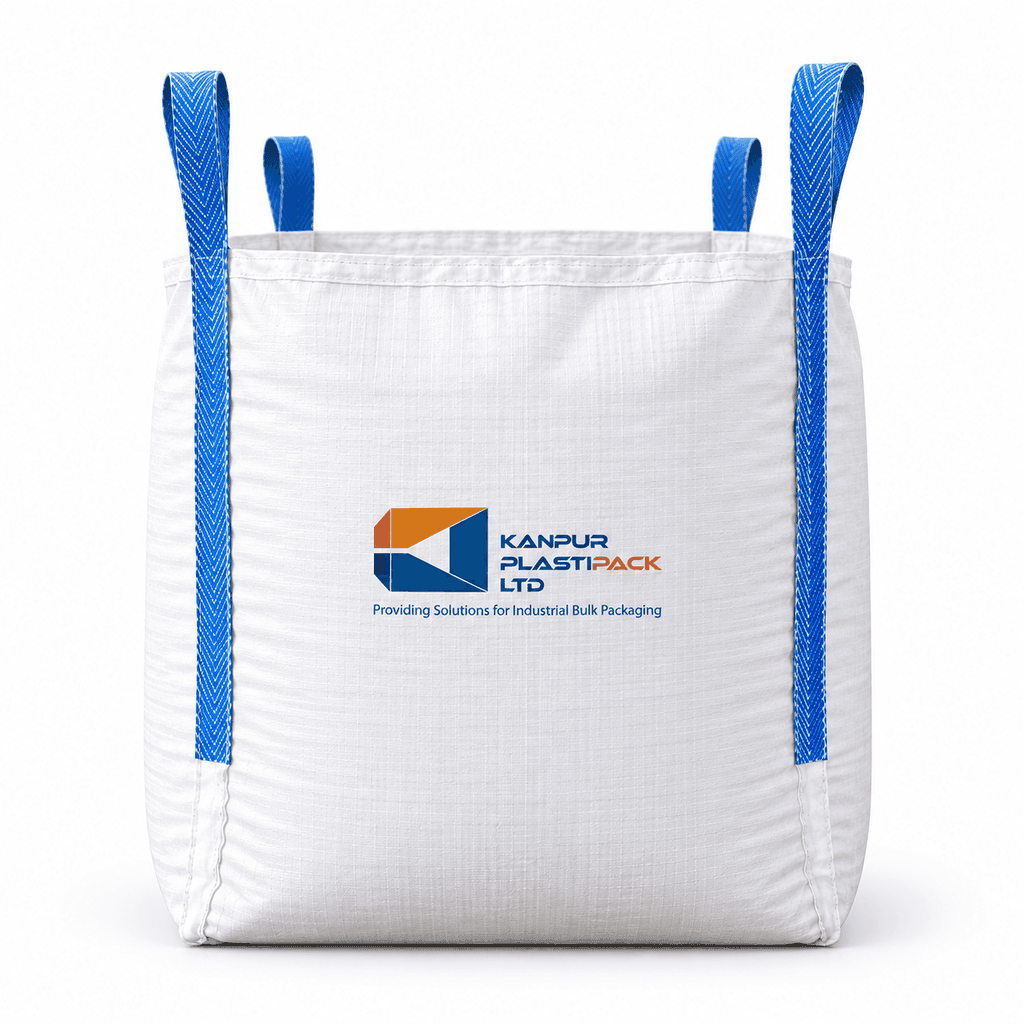
FIBC bulk bags are large woven polypropylene containers used to store, transport, and handle dry bulk materials and slurry. Their flexible construction makes them suitable for many industrial operations.
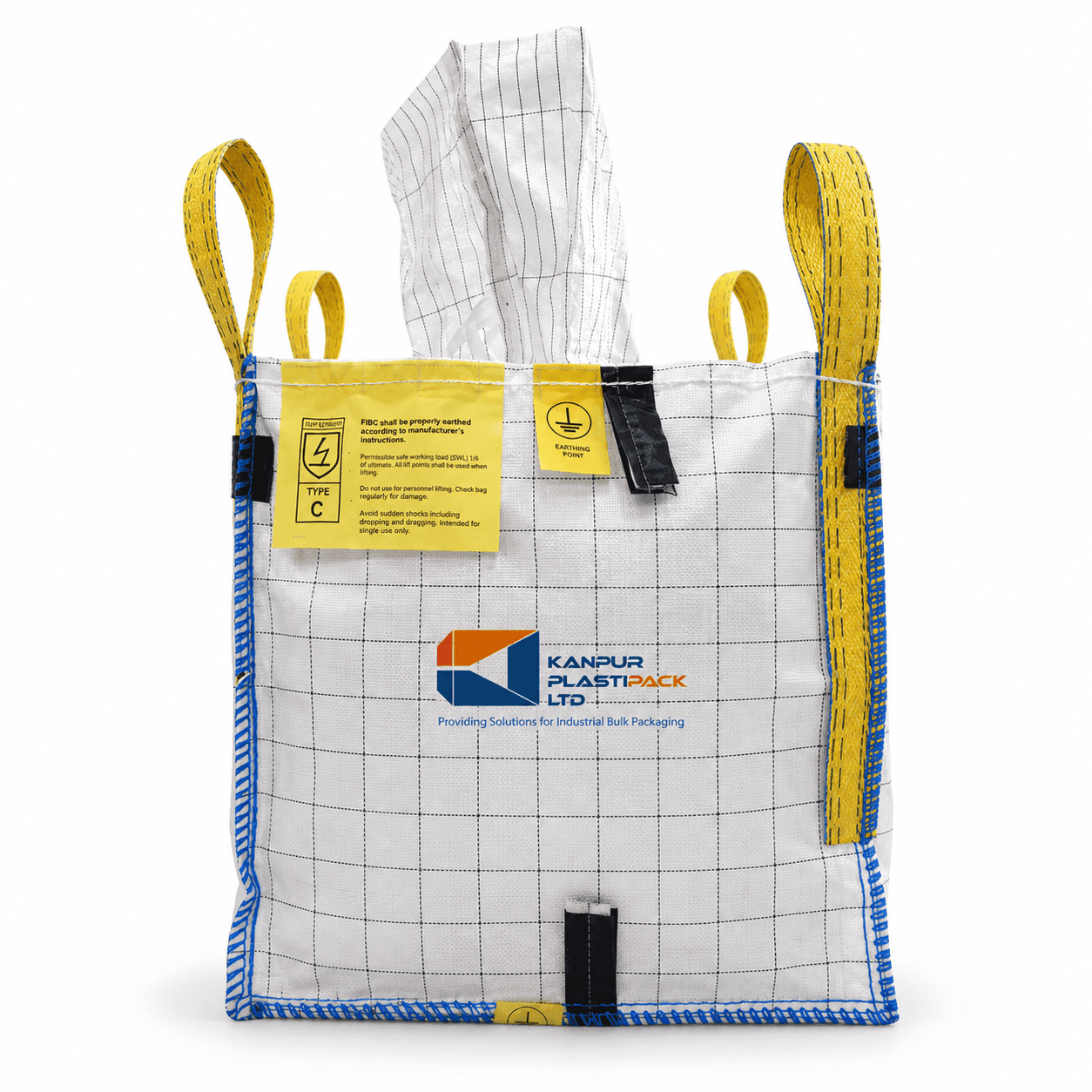
Different bag designs, filling and discharge options, lifting loops, liners, and custom features can be used for different needs.
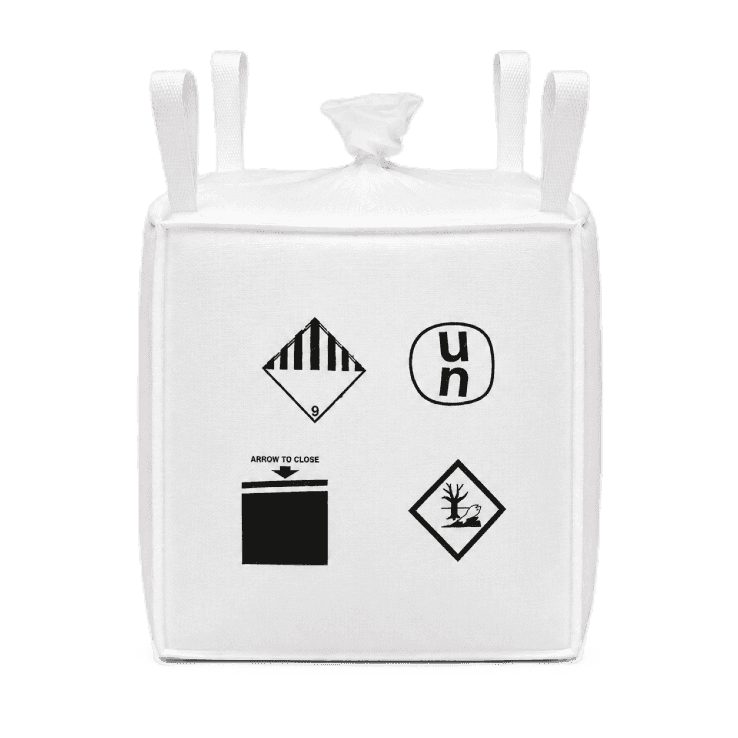
From standard bags to baffle, ventilated, food-grade, and UN-certified variants, the right construction depends on the material and handling process.
FIBC BENEFITS
FIBCs offer flexible bulk handling with varied designs, load capacities, lifting options, and storage benefits for different industrial requirements.
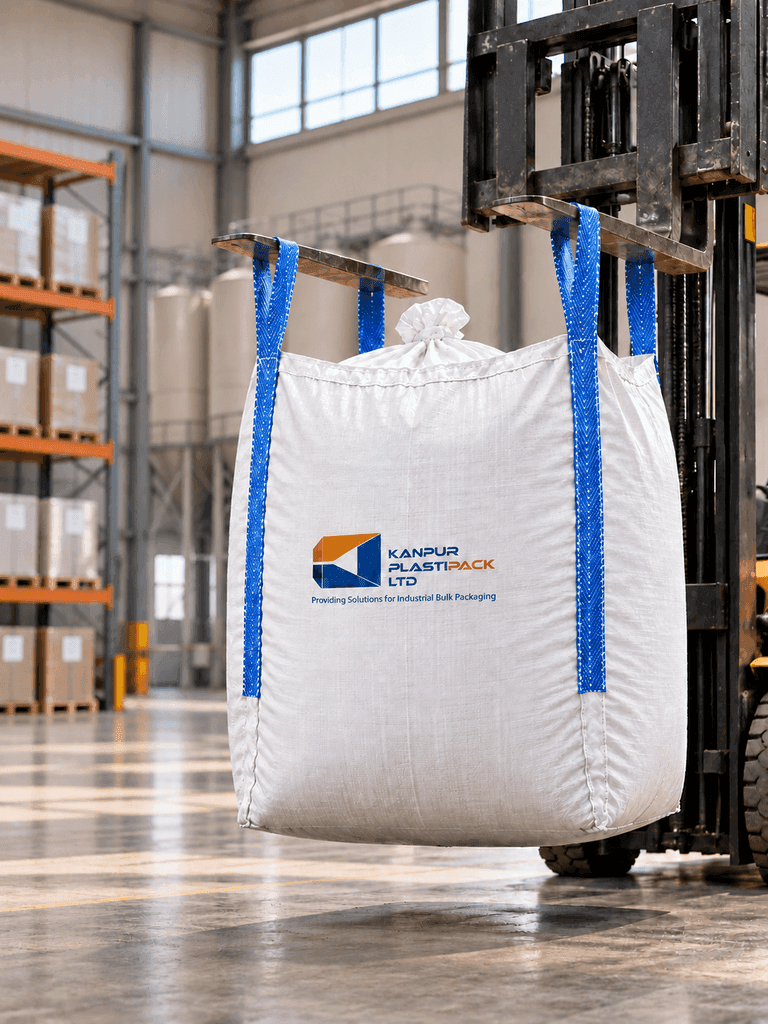
FIBCs are available with SWLs from 500–2,000 kg, depending on the bag design.
Integrated lifting loops allow filled bags to be handled, transported, and stored without pallets in suitable conditions.
Different dimensions, filling arrangements, discharge options, and lifting facilities allow varied FIBC configurations for different processes.
Empty FIBCs can be folded flat, helping reduce the warehouse space needed between handling and transport cycles.
Woven polypropylene gives FIBCs a combination of strength and flexibility for storing and moving dry bulk materials.
FIBCs are used for chemicals, fertilisers, fibreglass, food products, grains, mining, construction, pigments, plastics and seed.
BULK HANDLING
Different bulk containers serve different handling needs, from large-volume storage to collapsible formats and clean, durable plastic containers.
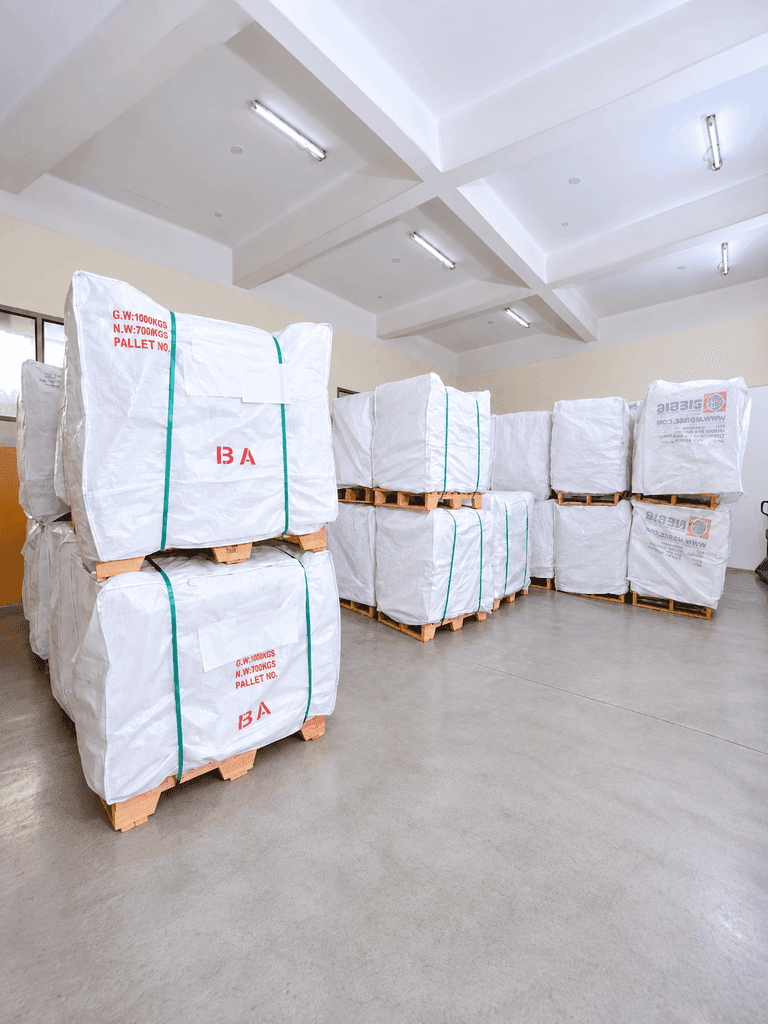
Large polypropylene bags handle high volumes and provide practical filling and discharge for many bulk materials.
Collapsible containers can be folded when empty, making storage easier when space needs to be managed.
These containers suit applications where clean handling matters, with easy cleaning and resistance to corrosion.
Selected FIBC designs are available with higher SWLs depending on their construction.
FIBC TYPES
FAQs
Find answers about FIBC types, capacity, safety factors, reuse, construction, and selection for different bulk handling needs.