
Loading resources…
Loading resources…
 FIBC dispatch in 2 weeks

Follow practical guidance for filling, lifting, moving, storing, and transporting FIBCs safely while protecting the bag, product, and people around it.
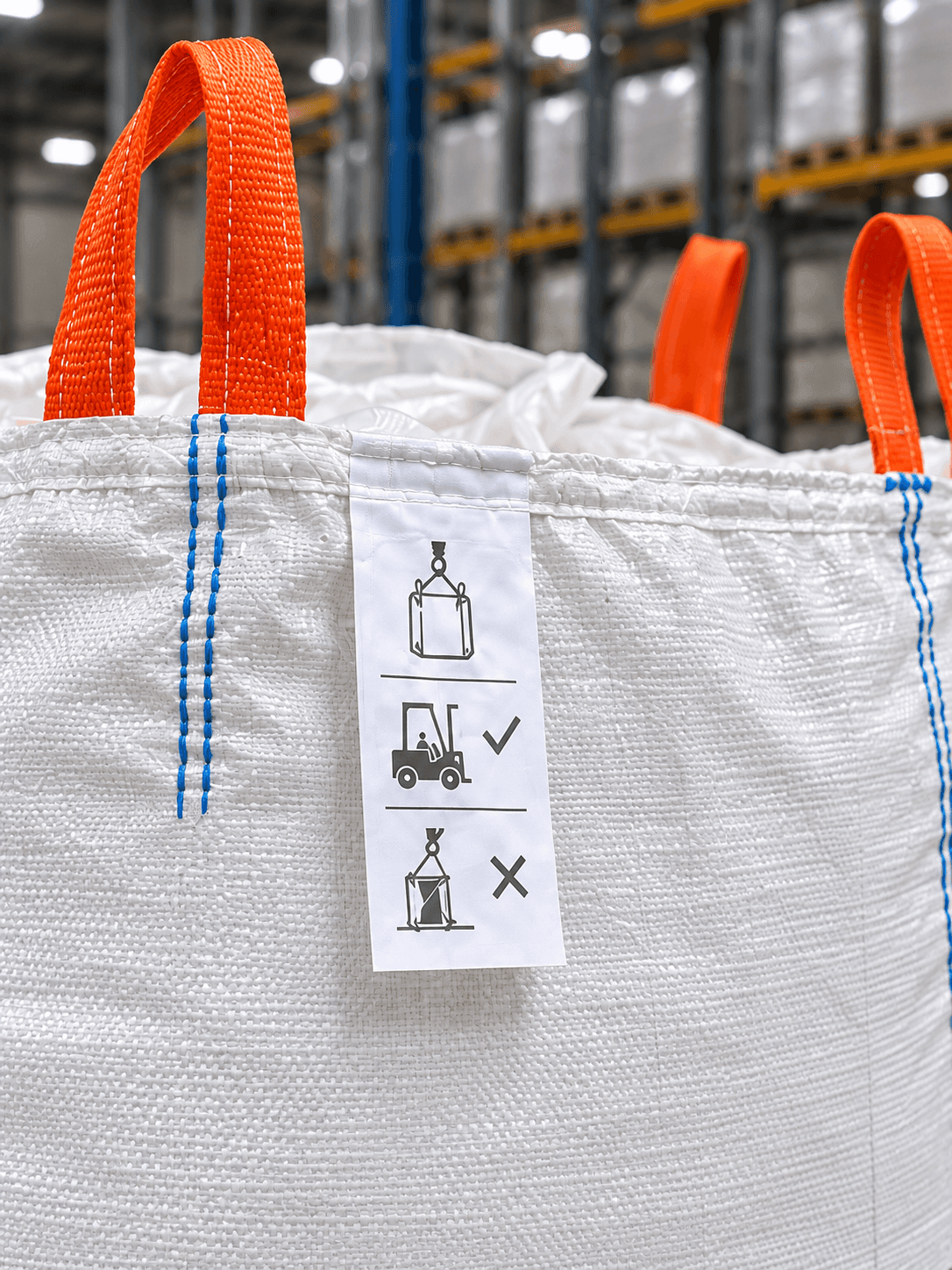
GENERAL GUIDELINES
Handling Instructions
Follow the safety label and handling instructions provided with every FIBC.
Product Compatibility
Choose an FIBC that is suitable for the product being handled, including food, chemical, or hazardous materials.
Safety Requirements
Follow all applicable safety rules and never exceed the stated SWL.
Technical Guidance
Confirm technical details with your manufacturer or supplier before purchase.
Protection Measures
Protect FIBCs from rain, moisture, prolonged sunlight, and other environmental exposure.
FILLING & EMPTYING
Follow these simple steps when filling or emptying FIBCs to maintain safe handling and reduce avoidable risks.
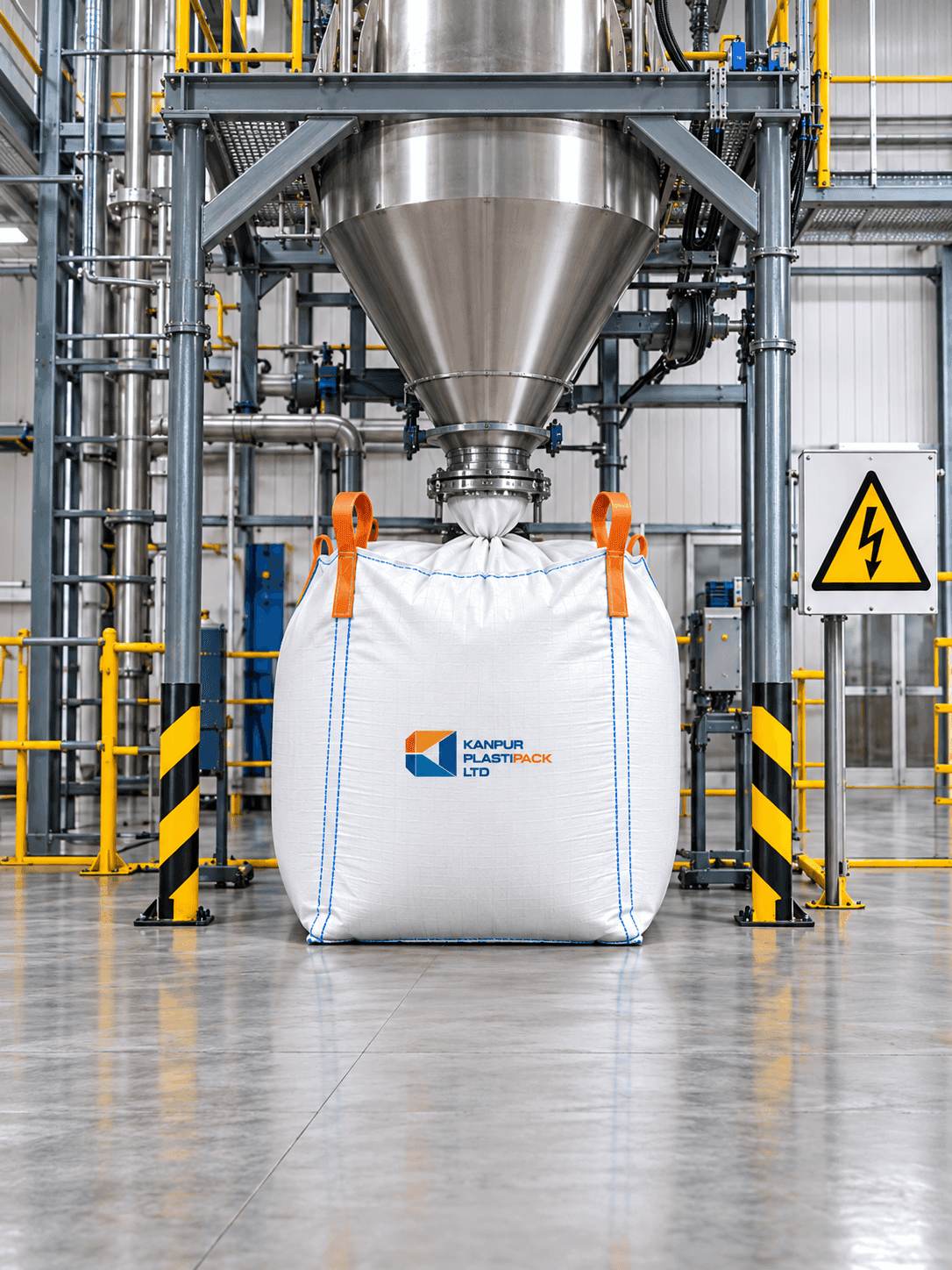
Close the discharge spout fully before filling to prevent material from escaping.
Close the filling spout or duffle correctly, following the FIBC manufacturer's instructions.
Never exceed the Safe Working Load marked for your specific FIBC during handling.
Check the filling area for suitable conditions, especially electrostatic risks near flammable materials.
Keep the filled FIBC stable and use suitable measures to control dust.
Never lift or discharge an FIBC using fewer lift loops or sleeves than provided.
STORAGE
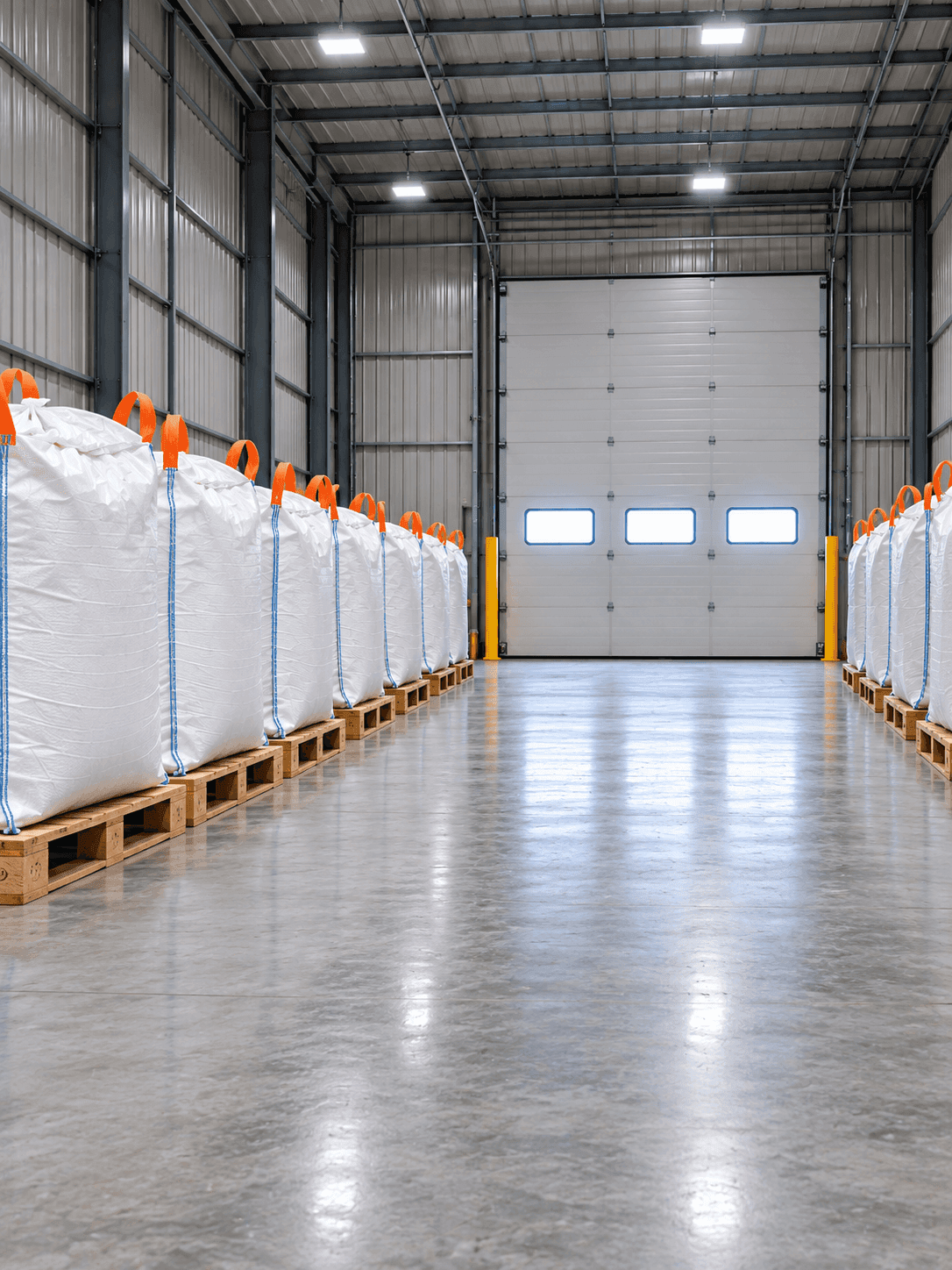
Use certified pallets designed for safe FIBC storage and transportation without compromising bag stability.
Ensure pallets have no nails, sharp edges, or other protrusions that could damage FIBCs.
Choose pallets large enough to support the FIBC without allowing the bag to overhang.
Remove all bags stacked above a damaged FIBC before taking it out or repairing it.
Place bags against two strong walls or use a stable pyramid stacking arrangement."
Keep water and moisture away from FIBCs by maintaining a dry storage or warehouse area.
LINER HANDLING
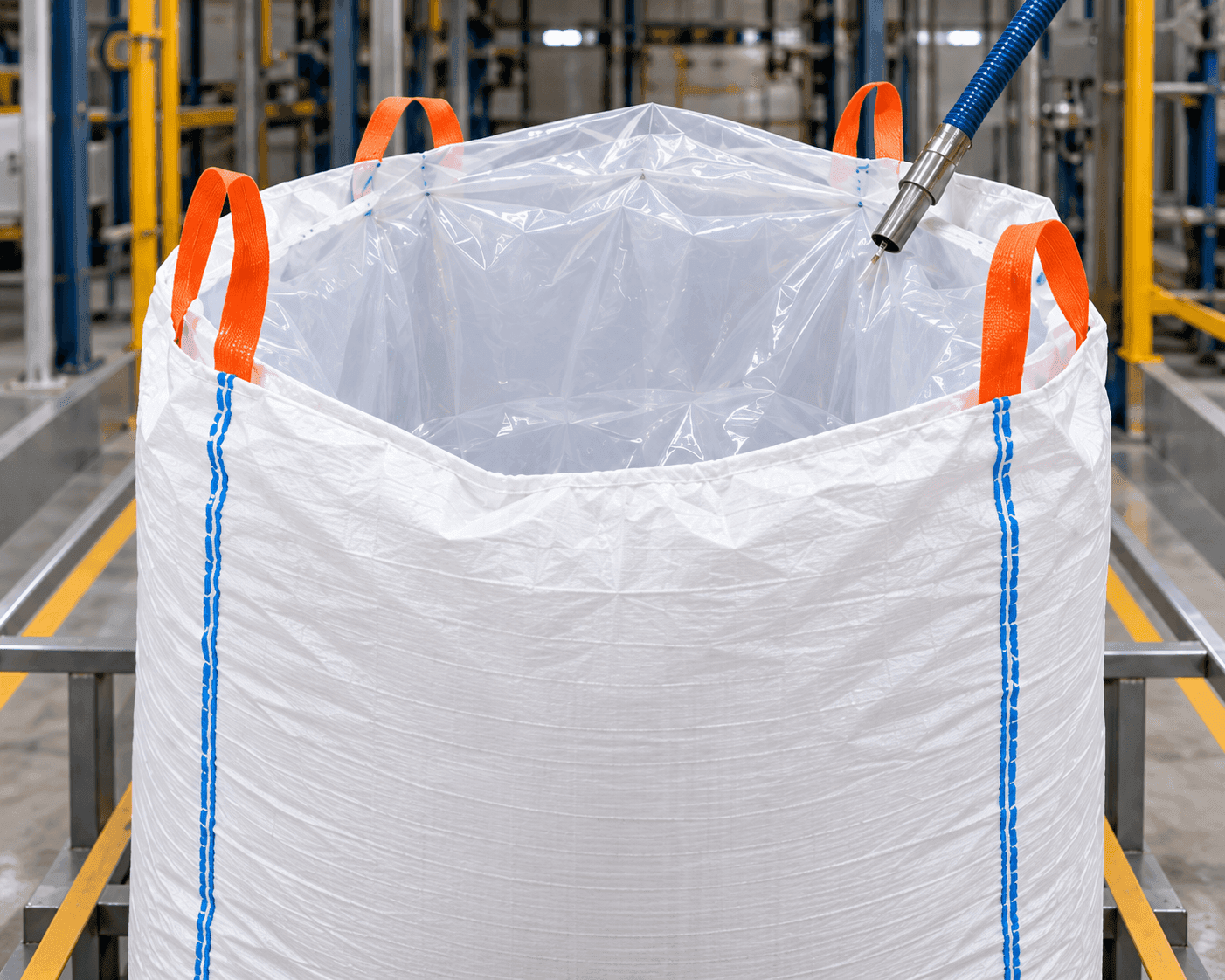
Follow these liner-handling steps to keep the liner secure and support smooth filling and discharge.
EQUIPMENT
Learn how to use forklifts, cranes, and hoists correctly when lifting or moving filled FIBCs.
Use a sturdy lift truck with enough capacity to safely hold the filled FIBC during movement.
Ensure the driver has a clear line of sight whenever a filled FIBC is being moved.
Keep the forklift mast at the appropriate angle while lifting or moving the filled FIBC.
Soften or cover tine edges to reduce the risk of damaging the FIBC during handling.
Choose hoisting equipment that can safely support the full weight of the suspended FIBC.
Adjust the forklift tines correctly to help prevent damaging lateral forces on the FIBC.
Stop the forklift completely before raising or lowering the FIBC during handling operations.
Avoid sudden lifting or stopping movements that can place unnecessary stress on the FIBC.
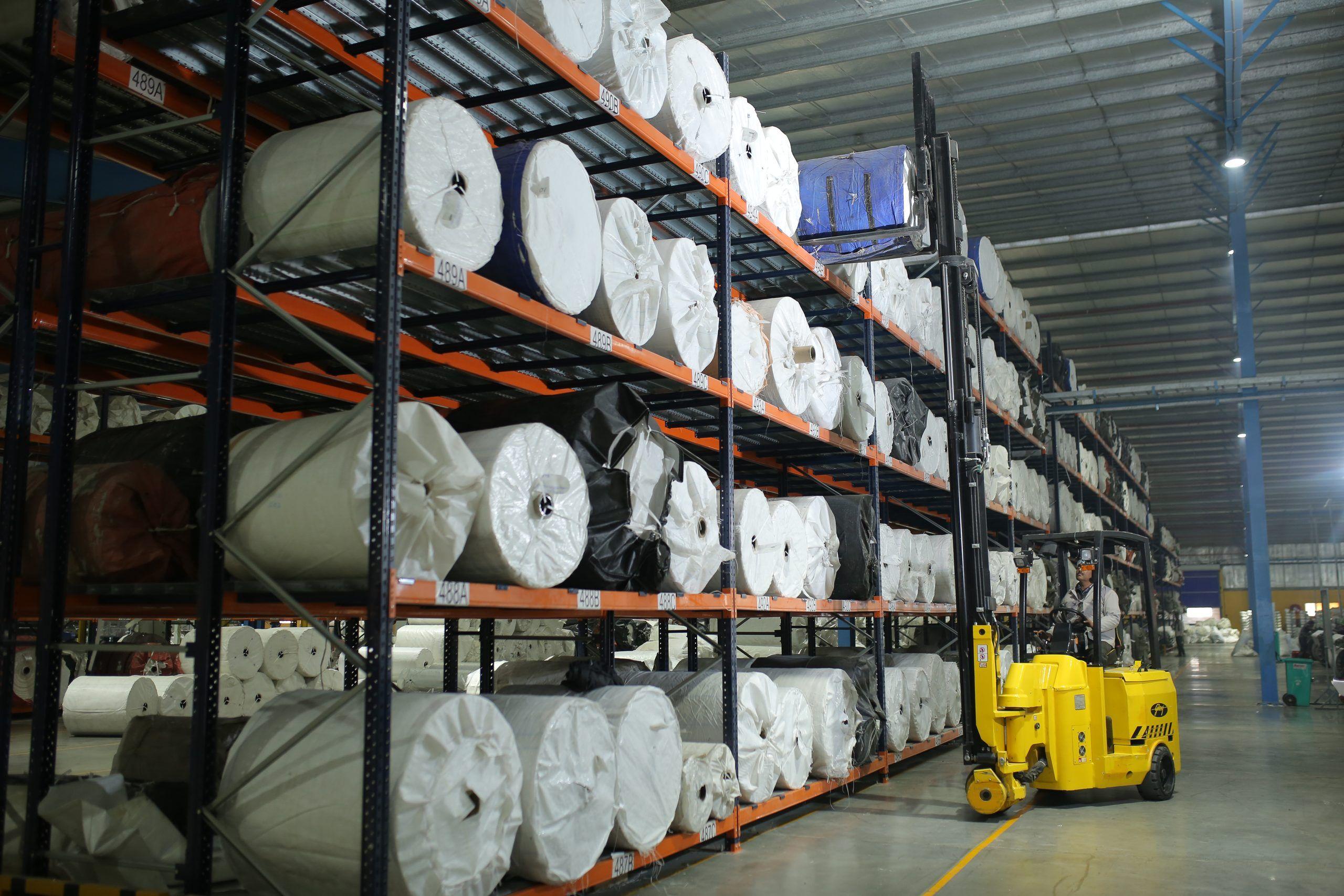
From standard bags to custom constructions, explore packaging options made for different applications and industries.