
Loading resources…
Loading resources…
 FIBC dispatch in 2 weeks
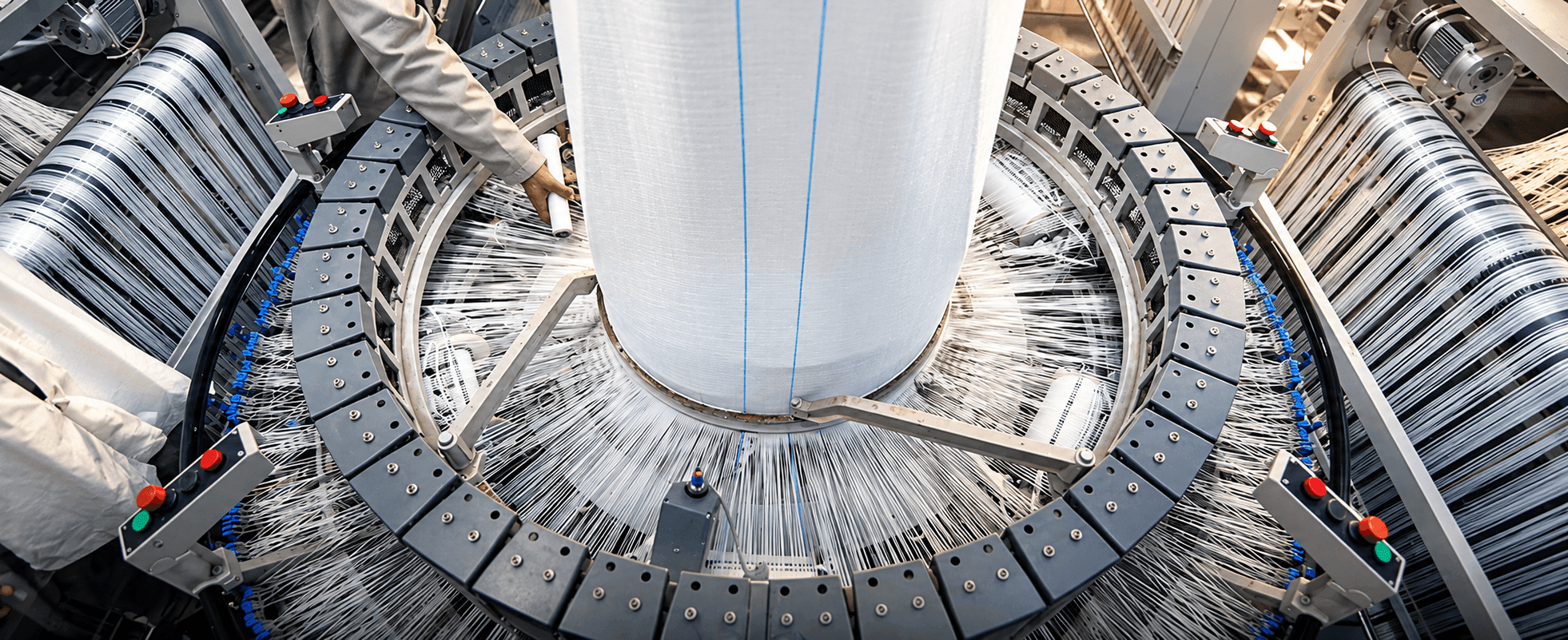
Extend the useful life of FIBCs through inspection, cleaning, reconditioning, tracking and testing, helping determine their suitability for safe reuse.
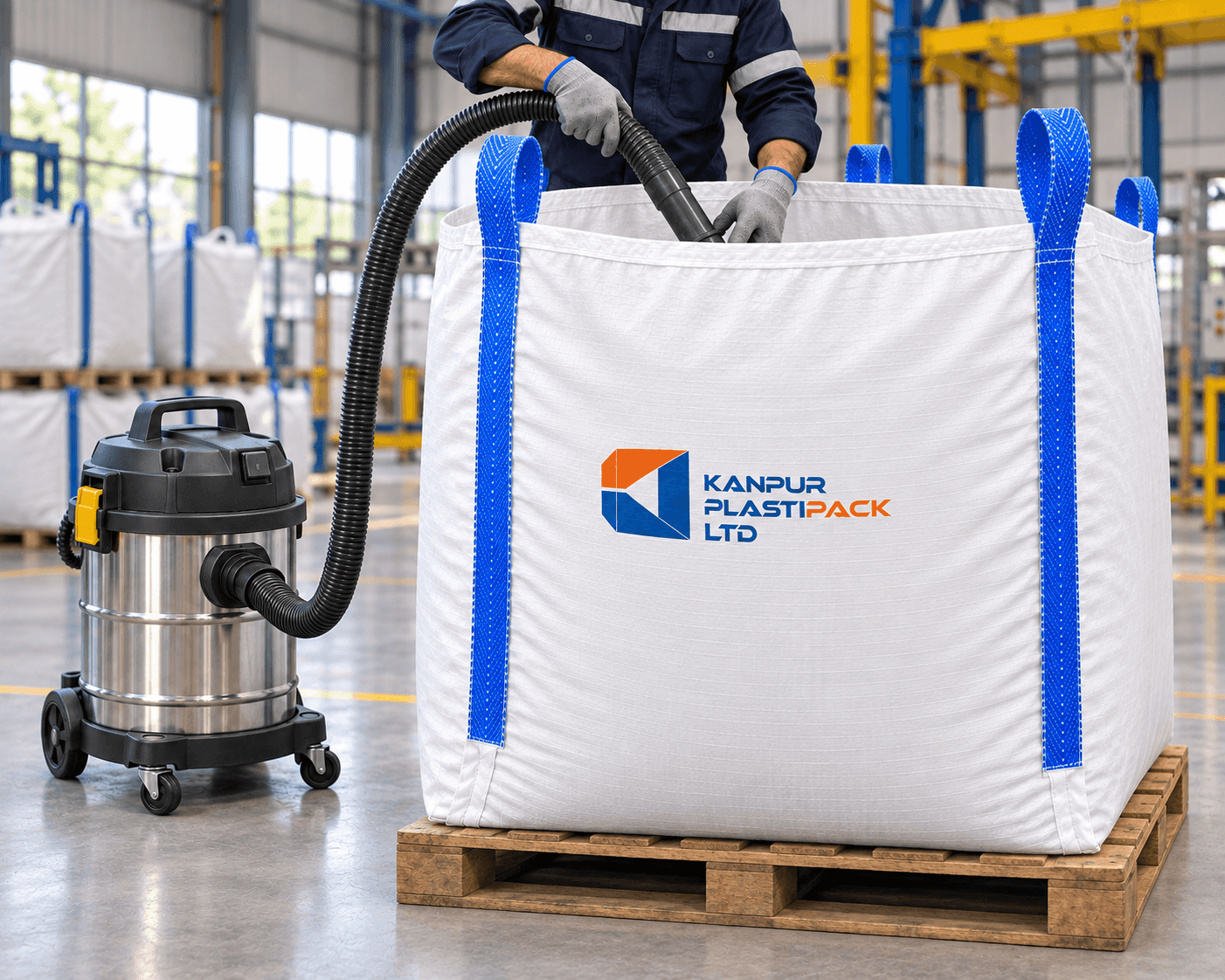
overview
FIBCs can be reused when their condition and safety remain suitable for further handling, following FIBCA guidelines and best practices for inspection, cleaning, reconditioning, tracking and testing.
Before reuse, each bag should be emptied and inspected for wear, damage and contamination. Suitable bags can then be cleaned, with remaining material removed and liners replaced where applicable.
Reconditioning restores the bag for continued service by replacing required components, while usage records support traceability. Selected bags should undergo Top Lift evaluation according to specified testing requirements.
REJECTION
Inspection helps identify damage, contamination and other conditions that may make an FIBC unsuitable for safe, repeated reuse.
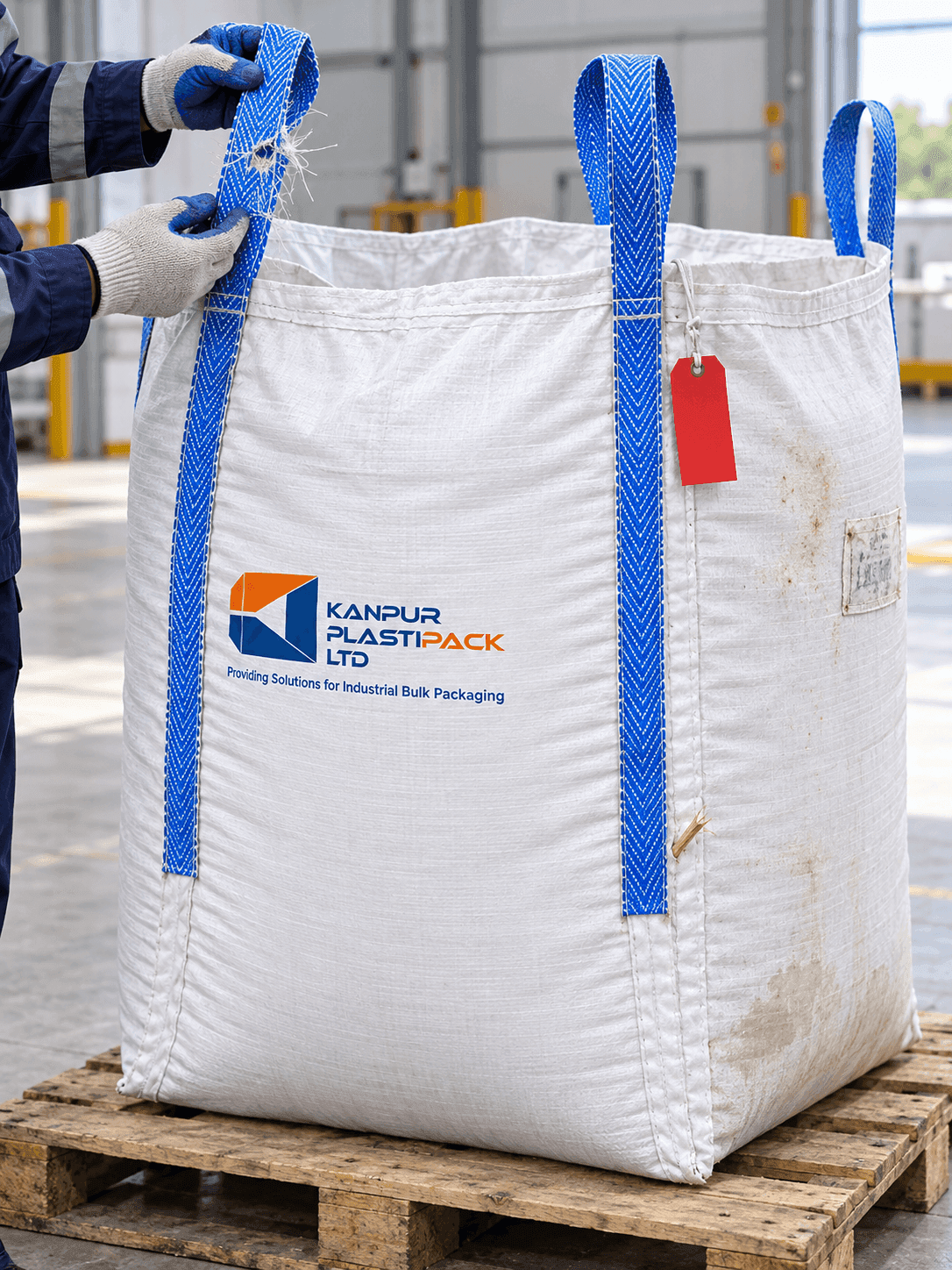
Visible damage to lift straps can affect safe handling and make the bag unsuitable for reuse.
Contamination from previous contents or other sources can make the bag unsuitable for safe reuse.
Moisture, wetness or mould can affect bag condition and make it unsuitable for continued reuse.
Wood splinters embedded in the fabric can damage the bag and affect its suitability for reuse.
Smeared, faded, or unreadable printing can affect identification and traceability during subsequent handling and reuse.
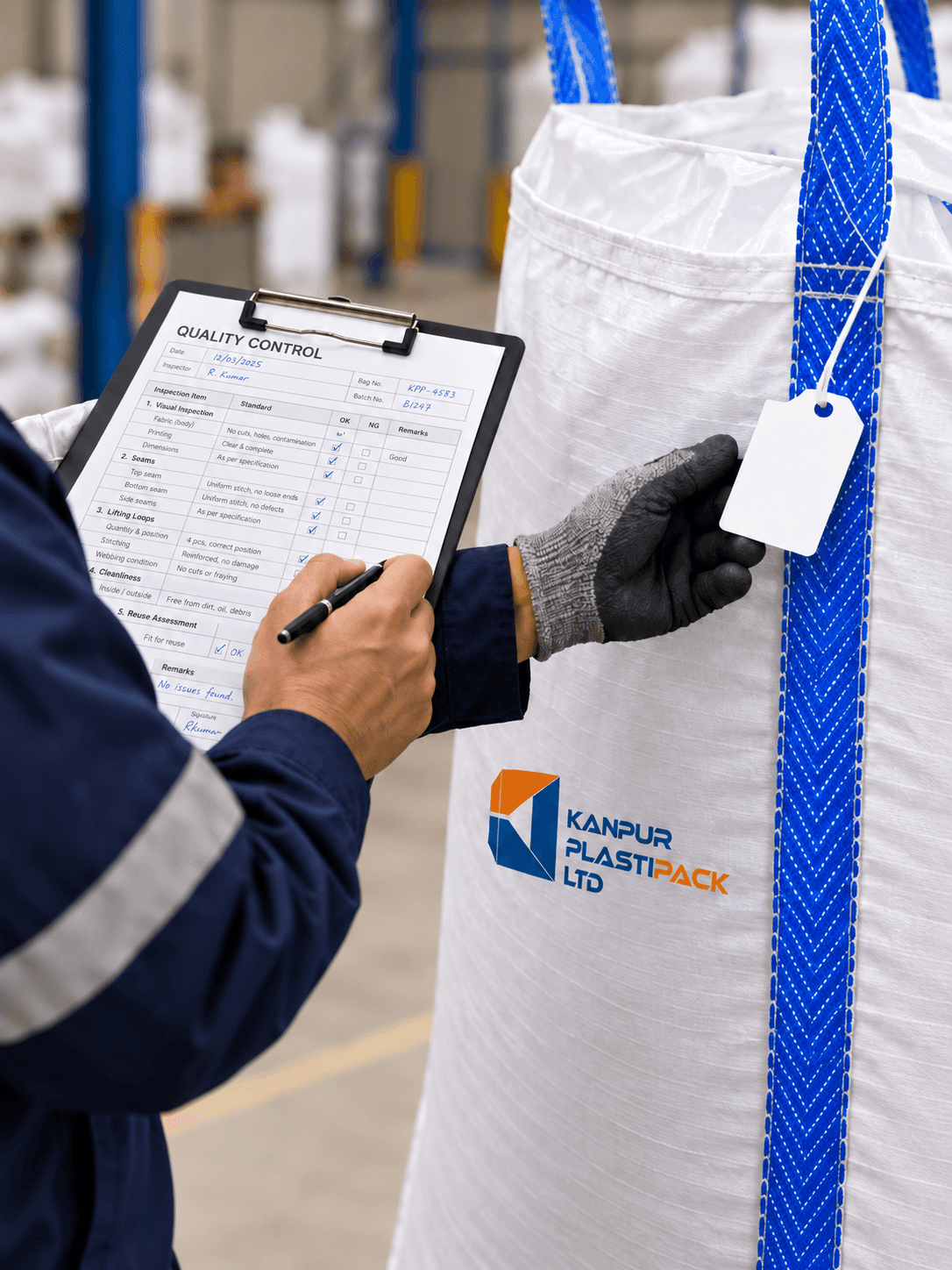
REUSE PROCESS
Empty the Bag
Empty the FIBC completely, removing remaining material before inspection and preparing it for reuse safely.
Inspect For Damage
Inspect the bag for wear and damage, rejecting unsuitable bags while allowing suitable bags to continue through reuse.
Clean and Replace Liner
Remove remaining material, keep total dust less than 4 ounces, and replace the liner where applicable.
Recondition Components
Recondition the bag by replacing web ties, labels, tickets, cord locks and liners where necessary for reuse.
Record Usage
Record Usage
Test For Safety
Test randomly selected bags using top lift evaluation, with frequency determined by the manufacturer or user.
From standard bags to custom constructions, explore packaging options made for different applications and industries.